Homemade Bread
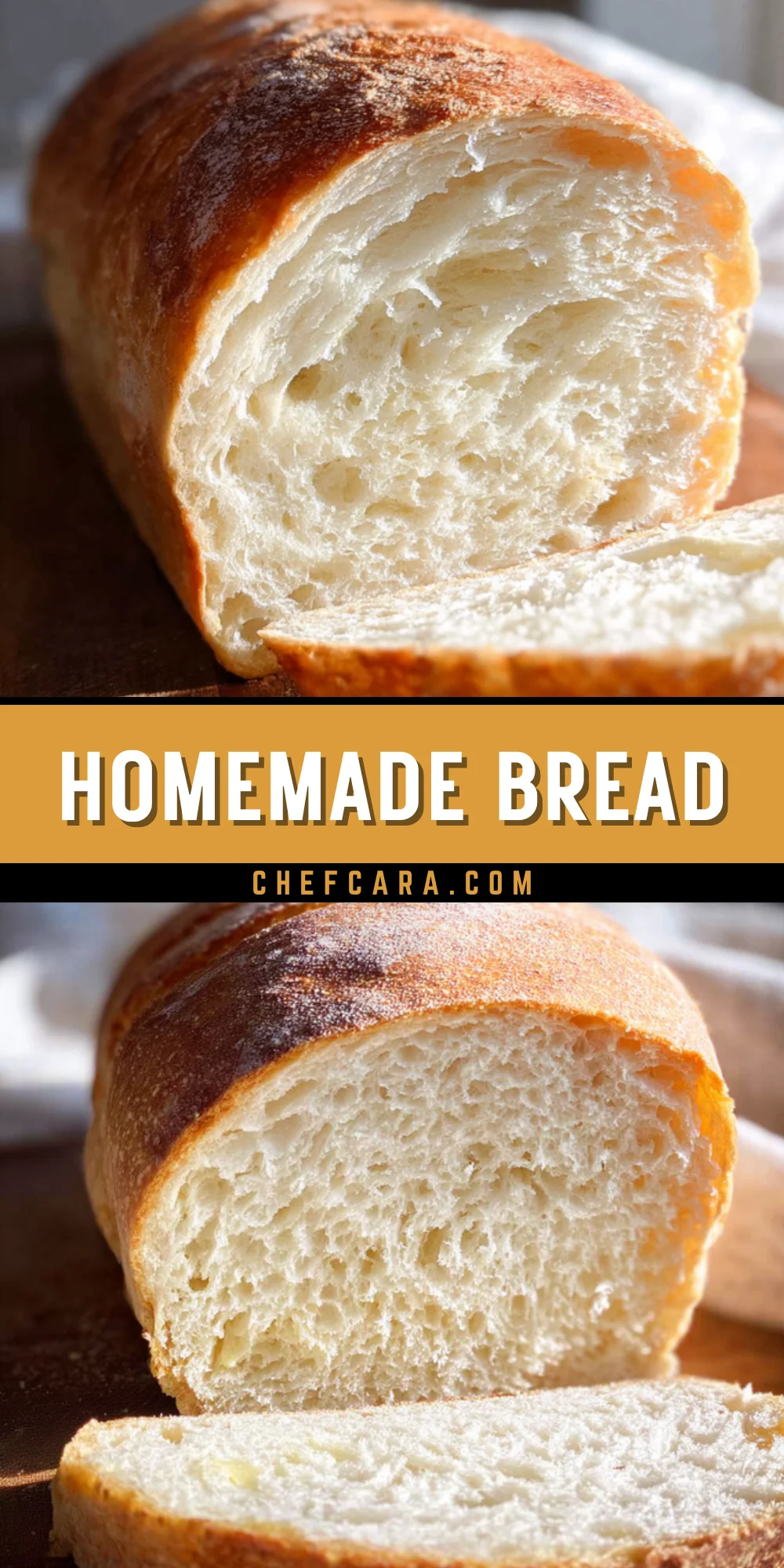
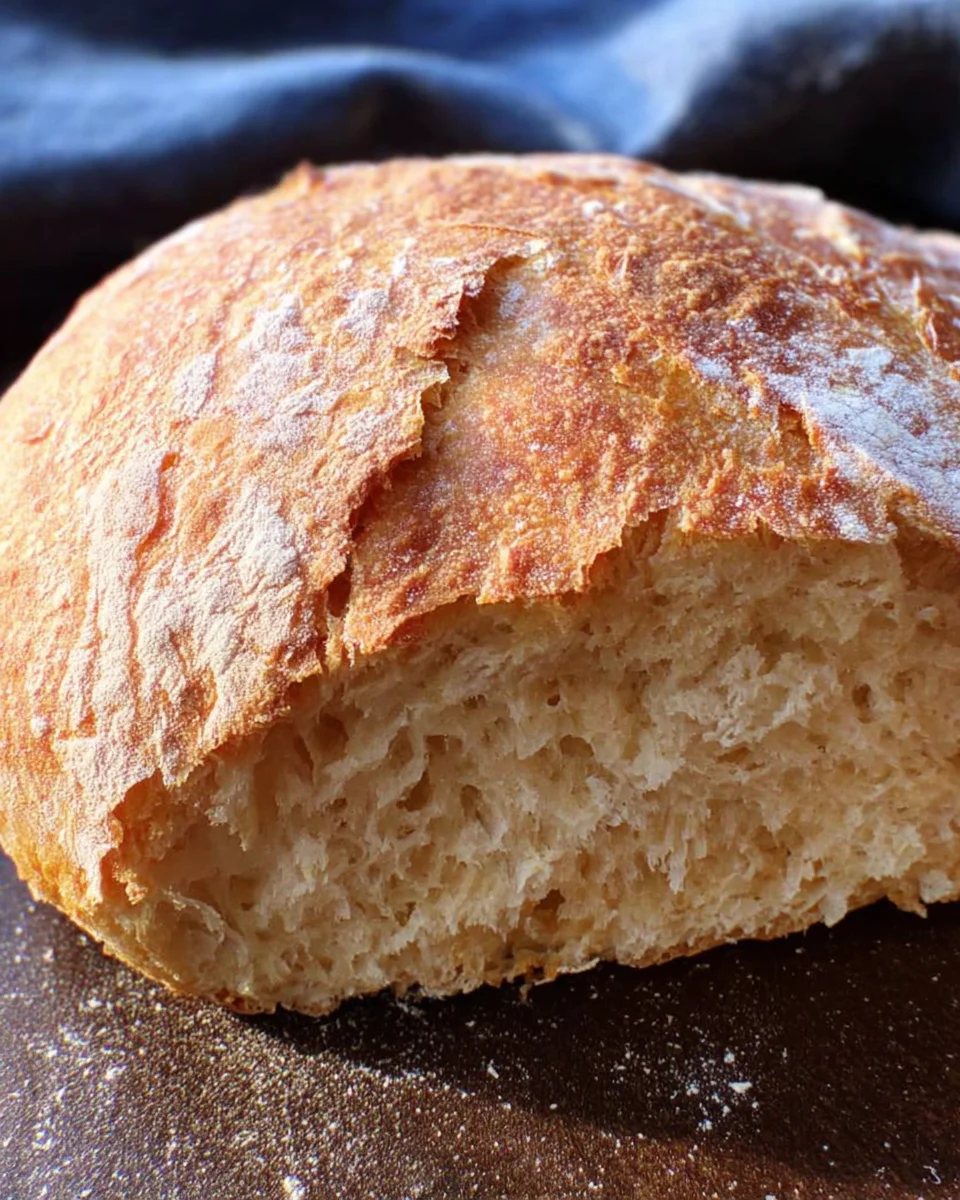
Look no further for the BEST and simplest homemade bread recipe made with just six simple pantry ingredients! This delightful white bread is perfect for sandwiches, toasting, or enjoying fresh out of the oven. Its unique blend of flavors and textures makes it a staple for any occasion, whether it’s a casual breakfast or a family dinner. Plus, it freezes well, ensuring you always have homemade goodness ready at hand!
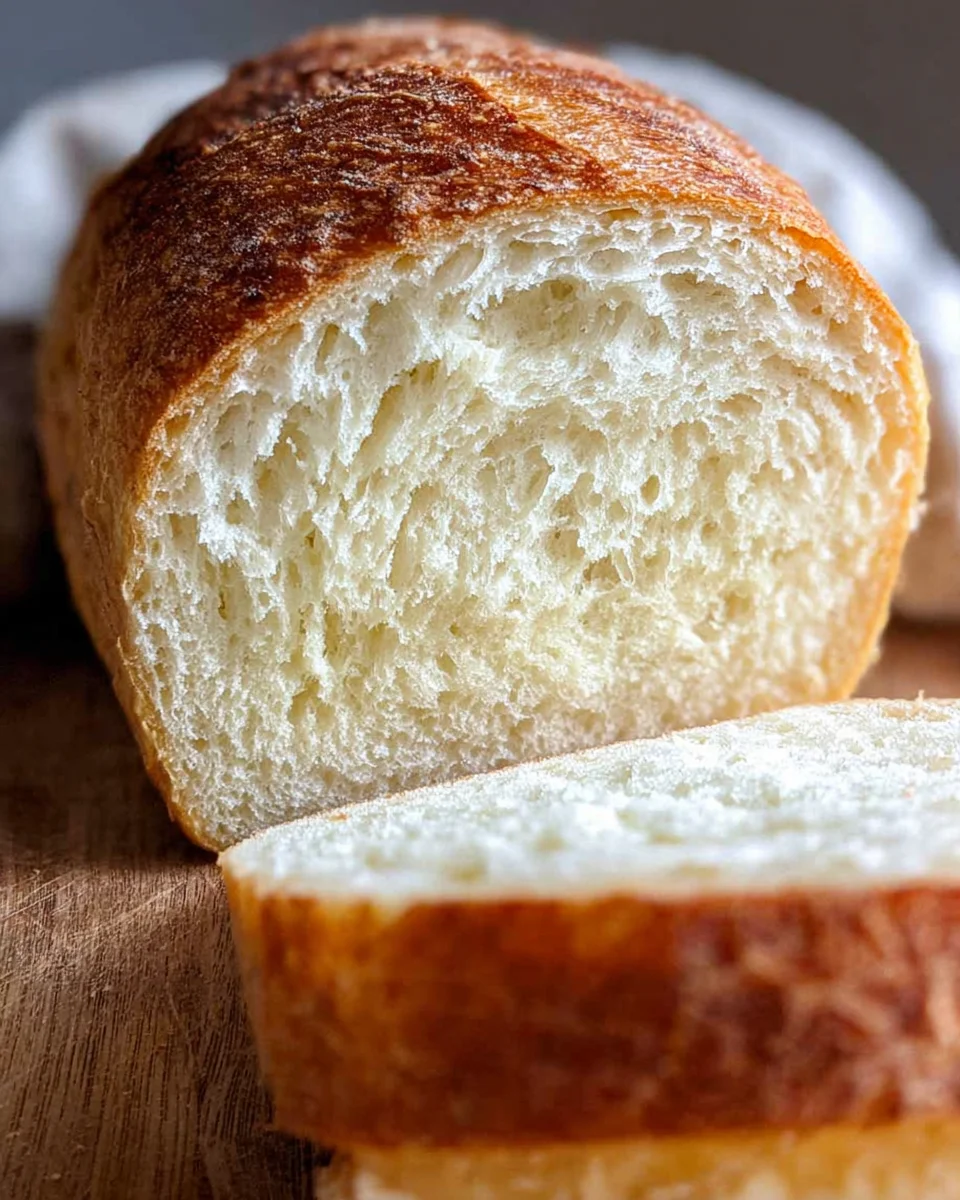
Why You’ll Love This Recipe
- Simple Ingredients: Made with just six pantry staples, this recipe is accessible for everyone.
- Versatile Uses: Perfect for sandwiches, toast, or as a side with your favorite meal.
- Freezes Well: Bake in bulk and store for later use—great for meal prep!
- Delicious Flavor: The combination of honey (or sugar) and freshly baked dough creates a mouthwatering aroma.
- Family-Friendly: A fun activity to do together, perfect for all ages.
Tools and Preparation
Before diving into making your homemade bread, gather all necessary tools. Having everything ready will make the process smooth and enjoyable.
Grab This Chef Knife Now - Almost Gone!
- Stays Razor-Sharp: Ice-hardened blade keeps its edge longer than ordinary knives
- Superior Grip Control: Unique finger hole design gives you perfect balance and safety
- Built to Last a Lifetime: Premium stainless steel blade with elegant beech wood handle
Customer Reviews ★★★★★
Essential Tools and Equipment
- Stand mixer or large mixing bowl
- Measuring cups and spoons
- Wooden spoon or dough hook
- Plastic wrap or dish towel
- Two 9×5” bread pans
- Wire cooling rack
Importance of Each Tool
- Stand mixer: Saves time and effort when mixing and kneading the dough.
- Measuring cups: Ensures accurate ingredient portions for the perfect loaf.
- Bread pans: Provides the right shape and size for even baking.
- Wire cooling rack: Allows air circulation to cool bread evenly without getting soggy.
Ingredients
Here are the simple ingredients you’ll need to make your own homemade bread:
- 2 cups warm water (105-115 degrees) ((474g))
- 1 Tablespoon active dry yeast
- 1/4 cup honey or sugar ((85g honey, 50g sugar))
- 2 teaspoons salt
- 2 Tablespoons oil (canola or vegetable) ((30 ml))
- 4 – 5 1/2 cups all-purpose or bread flour ((500g-688g))
How to Make Homemade Bread
Step 1: Prepare the Dough
In a large bowl or stand mixer add the yeast, warm water, and a pinch of sugar or honey. Allow this mixture to rest for 5-10 minutes until it becomes foamy and bubbly. This step is crucial as it ensures that the yeast is active. If you don’t see any foam, you will need to start over with fresh yeast.
Step 2: Mix Ingredients
Add the remaining sugar or honey, salt, oil, and three cups of flour to the yeast mixture. Stir to combine until it forms a batter-like consistency.
Step 3: Add More Flour
Incorporate another cup of flour into the mixture. With the mixer on low speed, gradually add more flour (½ cup at a time) until the dough begins to pull away from the sides of the bowl. The final dough should be smooth and elastic while slightly sticking to your finger.
Step 4: Knead the Dough
Once mixed well, knead the dough either in your stand mixer on medium speed for about 4-5 minutes or by hand on a lightly floured surface for about 5-8 minutes until it’s elastic.
Step 5: First Rise
Grease a large bowl with oil or cooking spray. Place your kneaded dough inside this bowl, turning it around to coat all sides. Cover it with a dish towel or plastic wrap and let it rise in a warm place until it doubles in size—roughly about an hour and a half.
Step 6: Prepare Pans
Generously spray two 9×5” bread pans with cooking spray on all sides. Optionally, line the bottom with parchment paper for easier removal after baking.
Step 7: Shape Dough
Punch down your risen dough gently to remove air bubbles. Divide it into two equal portions. Shape each piece into long logs that fit snugly into your prepared loaf pans.
Step 8: Second Rise
Cover both pans with a lightweight towel (or lightly greased plastic wrap). Allow them to rise again for roughly 45 minutes to one hour until they rise about an inch above the pan edges.
Step 9: Bake
Preheat your oven to 350°F (175°C). Bake your loaves in this preheated oven for about 30-33 minutes until they turn golden brown on top. When gently tapped on top, they should sound hollow.
Step 10: Cool Down
Invert loaves onto a wire cooling rack immediately after baking. Brush tops with butter if desired, then let cool for at least ten minutes before slicing.
Step 11: Storage
Once cooled completely, store your homemade bread in an airtight container or bag at room temperature for up to three days or refrigerate it for up to five days to maintain freshness.
How to Serve Homemade Bread
Homemade bread is not just a delightful treat; it also serves as a versatile base for various dishes. Here are some creative ways to enjoy your freshly baked bread.
Sandwiches
- Use your homemade bread to create delicious sandwiches filled with meats, cheeses, and fresh vegetables. The soft texture makes it perfect for lunchtime favorites.
Toast
- Enjoy slices of homemade bread toasted with butter or your favorite spreads. Top it with avocado, jam, or even a sprinkle of cinnamon sugar for a tasty breakfast or snack.
Bread Pudding
- Transform stale homemade bread into a comforting dessert by making bread pudding. Combine it with eggs, milk, and spices for a rich and satisfying dish.
Croutons
- Cut leftover homemade bread into cubes, season, and bake them to make croutons. They add a crunchy element to salads and soups.
Bruschetta
- Slice the bread and toast it lightly. Top with diced tomatoes, basil, olive oil, and balsamic vinegar for a refreshing appetizer.
French Toast
- Use thick slices of your homemade bread to make decadent French toast. Serve with syrup, fruits, or whipped cream for an indulgent brunch option.
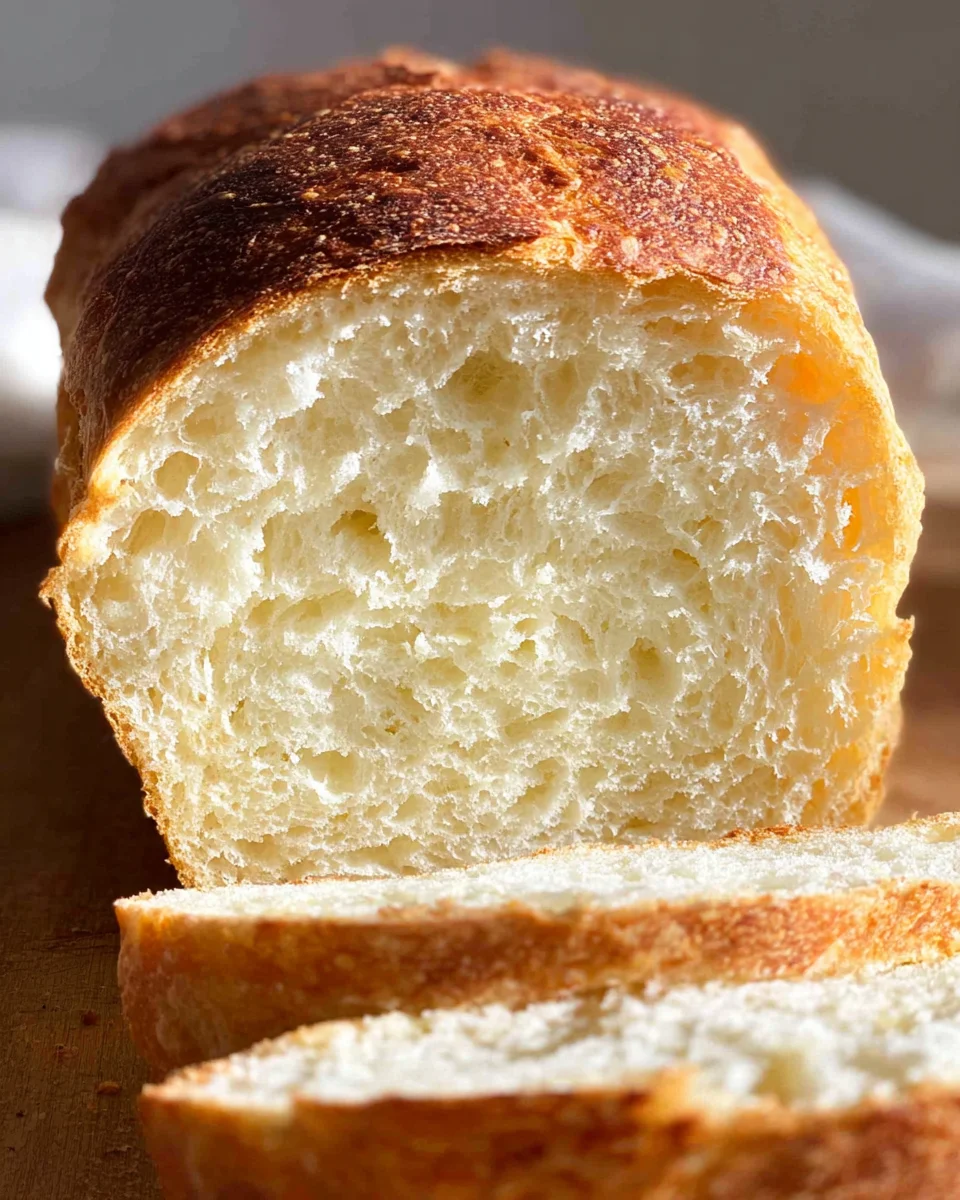
How to Perfect Homemade Bread
Making the perfect homemade bread requires attention to detail and some helpful tips. Here are ways to ensure your loaves turn out just right.
-
Use fresh yeast: Always check the expiration date on your yeast package before using it. Fresh yeast ensures proper rising.
-
Measure accurately: Use a kitchen scale to weigh your flour for precise measurements. This helps achieve the right dough consistency.
-
Knead properly: Kneading develops gluten in the dough, which gives the bread its structure. Ensure you knead until smooth and elastic.
-
Control temperature: Allow your dough to rise in a warm environment (around 75-80°F) for best results. Avoid drafts that could cool the dough down.
-
Don’t skip the second rise: This step is crucial for developing flavor and texture. Allow the dough ample time to rise before baking.
-
Check doneness: Tap the top of the loaf after baking; if it sounds hollow, it’s ready! This is a reliable way to ensure your bread is fully cooked.
Best Side Dishes for Homemade Bread
Homemade bread pairs wonderfully with many side dishes that enhance any meal. Here are some great options to consider.
-
Soup: A warm bowl of soup complements homemade bread perfectly. Consider tomato basil or creamy potato soup for dipping.
-
Salad: Fresh salads brighten up any meal when served alongside homemade bread. Try Caesar salad or mixed greens with vinaigrette.
-
Stews: Hearty stews benefit from crusty bread used to soak up flavorful broths. Beef stew or vegetable chili work well here.
-
Cheese platter: Pair slices of homemade bread with an assortment of cheeses and fruits for an elegant starter or snack.
-
Egg dishes: Serve homemade bread alongside scrambled eggs or an egg casserole for a fulfilling breakfast spread.
-
Grilled vegetables: Roasted or grilled vegetables bring out unique flavors that pair beautifully with fresh-baked bread.
-
Pasta dishes: Enjoying pasta? Garlic bread made from your homemade loaf can elevate any Italian-inspired meal!
-
Dips: Serve warm crusty slices with dips like hummus or spinach artichoke dip for an easy appetizer at gatherings.
Common Mistakes to Avoid
Making Homemade Bread can be a rewarding experience, but there are common mistakes that can lead to disappointing results. Here are some pitfalls to avoid.
- Incorrect water temperature: Using water that is too hot or too cold can kill the yeast. Always aim for water between 105-115 degrees Fahrenheit for optimal proofing.
- Not proofing the yeast: Skipping the proofing step may lead to bread that doesn’t rise. Always let your yeast mixture sit until it’s foamy; this ensures the yeast is active.
- Adding too much flour: Overloading on flour will give you dense bread. Add flour gradually until the dough is smooth and slightly sticky, not dry.
- Skipping the first rise: Rushing through or skipping the first rise can result in tough bread. Allow enough time for the dough to double in size, typically around 1.5 hours.
- Underbaking the bread: Not baking long enough can leave you with gummy bread. Ensure it is golden brown and sounds hollow when tapped on top.
- Improper storage: Storing bread incorrectly leads to staleness. Keep it in an airtight container at room temperature or refrigerate for longer freshness.
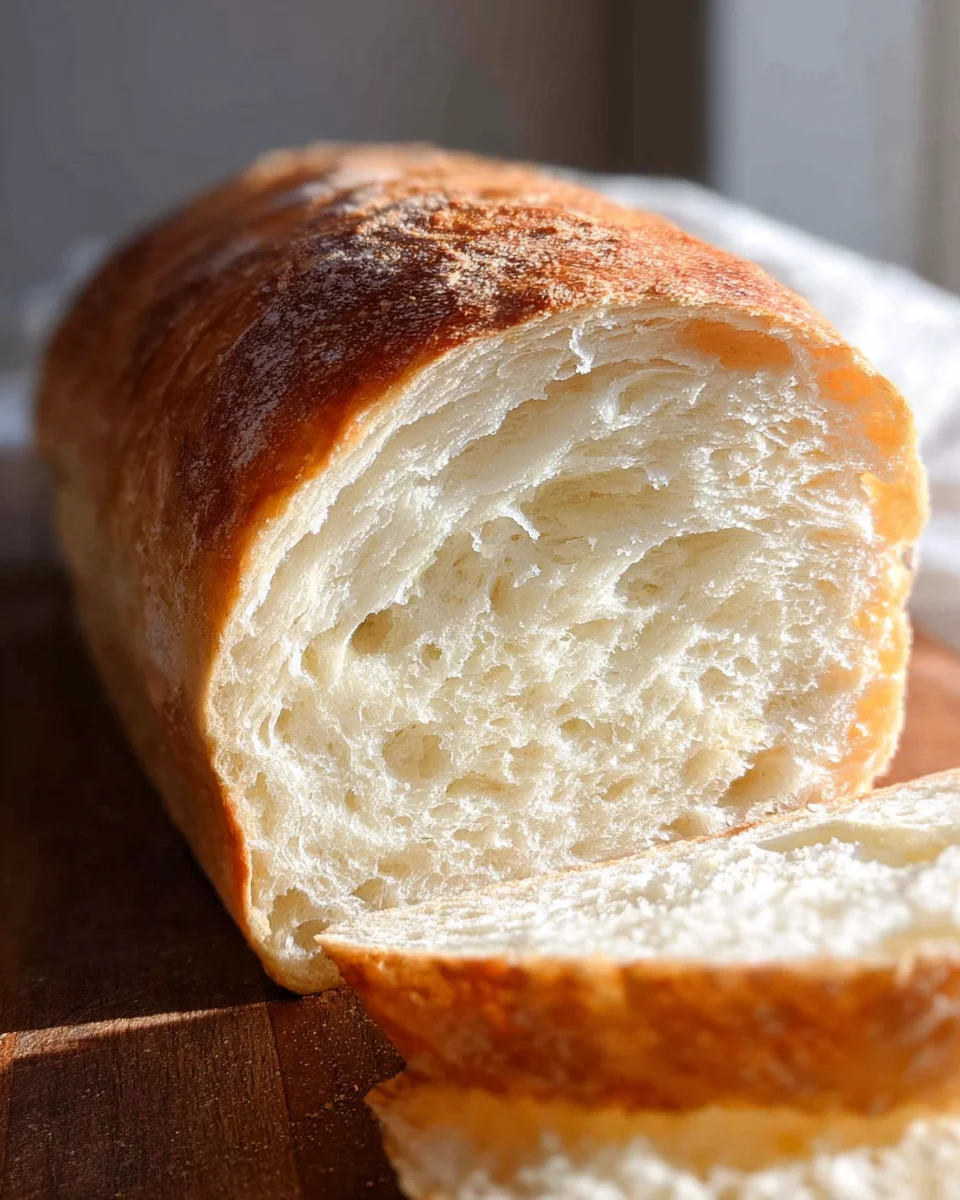
Storage & Reheating Instructions
Refrigerator Storage
- Store your homemade bread in an airtight container for up to 5 days in the refrigerator.
- You can also wrap it tightly in plastic wrap to keep it fresh.
Freezing Homemade Bread
- Slice your bread before freezing for easy access later.
- Wrap each loaf tightly in plastic wrap, then place it in a freezer bag. It will stay fresh for up to 3 months.
Reheating Homemade Bread
- Oven: Preheat to 350°F and warm your slices for about 10-15 minutes for a freshly baked taste.
- Microwave: Use a damp paper towel over a slice and heat for about 10-15 seconds. Be careful not to overheat as this can make it tough.
- Stovetop: Warm slices in a skillet over medium-low heat until they are heated through, about 2 minutes on each side.
Frequently Asked Questions
Here are some common questions about making homemade bread.
What makes homemade bread different from store-bought?
Homemade bread is fresher and often contains fewer preservatives, allowing for a healthier option that you can customize with ingredients you love.
Can I use whole wheat flour instead of all-purpose flour?
Yes! You can substitute whole wheat flour, but start with a mix of all-purpose and whole wheat to maintain texture while adding nutrition.
How do I know when my homemade bread is done baking?
Your homemade bread is done when it’s golden brown on top and sounds hollow when tapped lightly on the bottom.
How long does homemade bread last at room temperature?
Homemade bread typically lasts for about 2-3 days at room temperature when stored properly in an airtight container.
Final Thoughts
This Homemade Bread recipe is not just delicious; it’s incredibly versatile! Feel free to experiment with different add-ins like herbs, cheese, or seeds. The satisfaction of enjoying warm, freshly baked bread straight from your oven makes this recipe an essential one for any home cook. Don’t hesitate—try making your own today!
[Side Dishes]
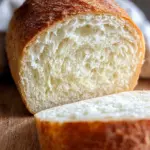
Homemade Bread
- Total Time: 48 minutes
- Yield: About 16 servings 1x
Description
Looking for a comforting homemade bread recipe? This simple and delightful white bread is made with just six pantry staples, resulting in a fluffy loaf perfect for sandwiches, toasting, or enjoying fresh from the oven. Its mild sweetness and soft texture make it an ideal companion for any meal, whether you’re whipping up lunch or serving dinner. Plus, it freezes beautifully, so you can always have fresh bread on hand. Get ready to fill your home with the inviting aroma of freshly baked bread!
Ingredients
- 2 cups warm water (105-115°F)
- 1 Tablespoon active dry yeast
- 1/4 cup honey or sugar
- 2 teaspoons salt
- 2 Tablespoons oil (canola or vegetable)
- 4 – 5 1/2 cups all-purpose or bread flour
Instructions
- In a large bowl or stand mixer, combine yeast, warm water, and a pinch of sugar or honey. Let it rest until foamy (5-10 minutes).
- Stir in remaining sugar or honey, salt, oil, and three cups of flour to form a batter.
- Gradually add more flour until the dough pulls away from the bowl and is slightly sticky yet smooth.
- Knead in the mixer (4-5 minutes) or by hand (5-8 minutes) until elastic.
- Place the dough in a greased bowl, cover, and let it rise in a warm place until doubled (about 1.5 hours).
- Spray two 9×5'' bread pans and shape risen dough into logs fitting snugly in pans.
- Cover pans and let them rise again for about 45 minutes to one hour.
- Preheat oven to 350°F (175°C) and bake loaves for 30-33 minutes until golden brown.
- Cool on wire racks before slicing.
- Prep Time: 15 minutes
- Cook Time: 33 minutes
- Category: Bread
- Method: Baking
- Cuisine: American
Nutrition
- Serving Size: 1 serving
- Calories: 107
- Sugar: 1g
- Sodium: 130mg
- Fat: 2g
- Saturated Fat: 0g
- Unsaturated Fat: 2g
- Trans Fat: 0g
- Carbohydrates: 20g
- Fiber: 0g
- Protein: 3g
- Cholesterol: 0mg